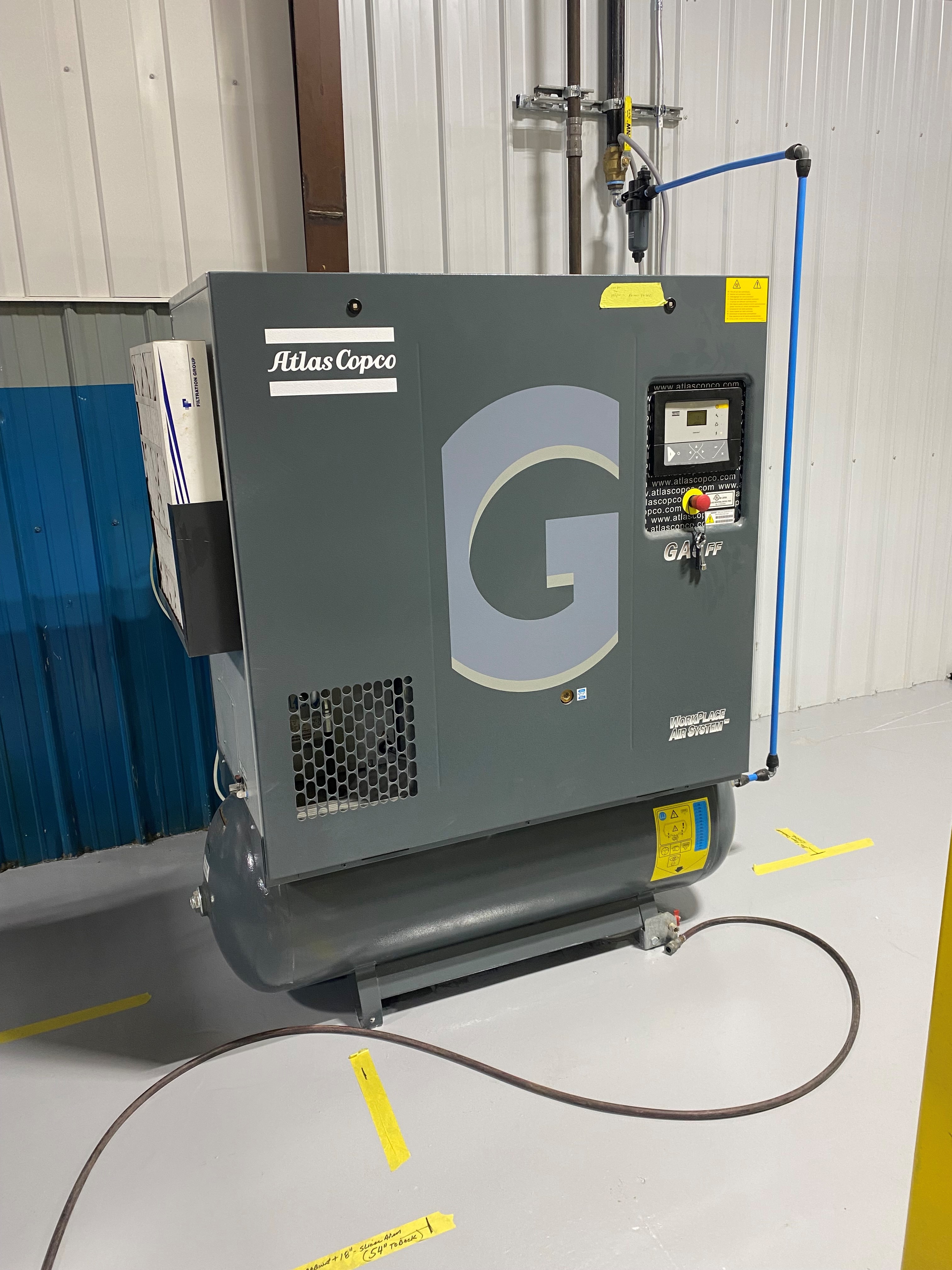
A workshop once invested heavily in machines but ignored how materials moved between stations. Production slowed. Bottlenecks formed. It wasn’t the machines alone. Efficiency depends on how everything connects. This article explores how combining smart investment thinking with practical equipment choices improves productivity, reduces waste and helps businesses build stronger, more balanced industrial operations over time.
Cost Decisions Shape Equipment Strategy
Every equipment decision impacts long-term cost structure. Investing in material handling equipment is not just about movement; it is about saving time and reducing manual effort. It feels strategic. When materials pass smoothly, labor costs reduce and production becomes smoother, allowing companies to focus on work rather than fixing avoidable negligence.
Balancing New and Pre-Owned Choices
Not every machine needs to be brand new to function nicely. Many businesses now rely on used machine tools to maintain production without overspending. It matters. Pre-owned machines that are properly evaluated can deliver consistent results, helping companies balance budget limitations while still achieving reliable operational performance in competitive industrial settings.
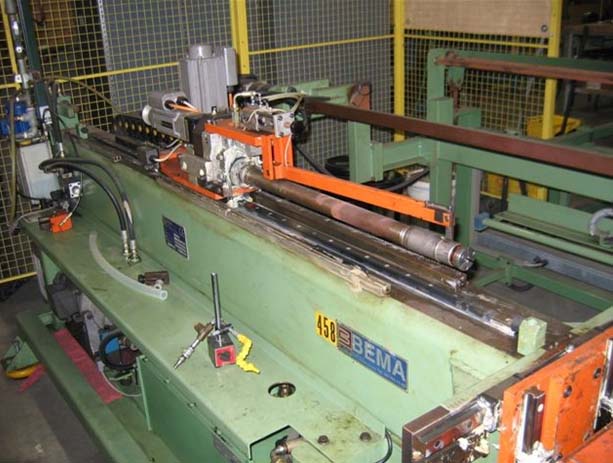
Productivity Depends On System Integration
Machines alone do not define efficiency. How the equipment works together makes the real difference. It helps. When handling systems and machine tools are aligned, production flows more naturally. This decreases idle time and enhances output consistency, producing more predictable and regular working conditions across different stages of manufacturing.
Avoiding Hidden Costs In Operations
Poor equipment planning usually leads to hidden costs. Delays, maintenance problems and inefficiencies can increase working costs over time. It matters. Choosing the right combination of machines and handling systems helps prevent these issues, ensuring that investments deliver value instead of creating ongoing financial pressure.
Scaling Operations With Smarter Investments
Growth requires careful planning, not just more equipment. It feels practical. Businesses that support the right systems can scale operations without major disruptions. Efficient handling and reliable machines support growth, allowing production capacity to increase while preserving quality and consistency across various workloads.